
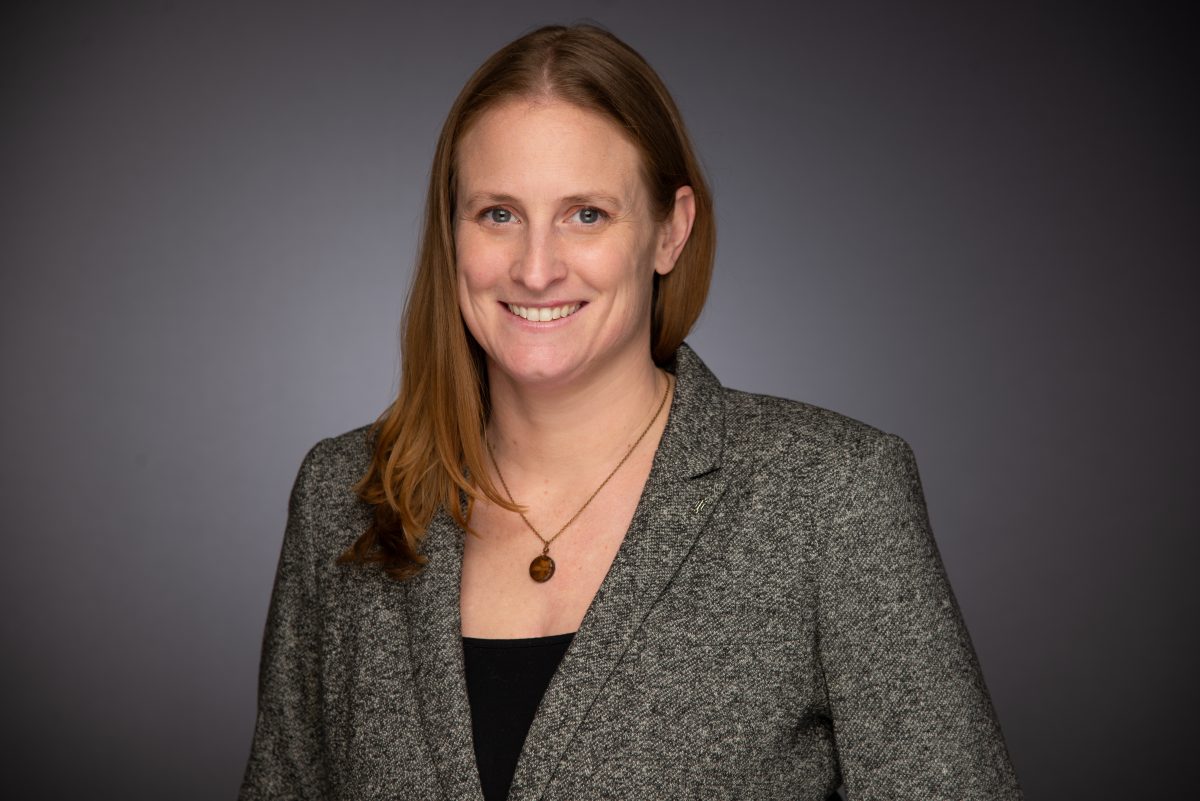
DELHI — Janet Tweed is hoping that her experience in health care and elected office will be able to help local residents in the race for the 102nd New York State Assembly District race this year. She is competing in the Democratic Party primary and hopes to advance to this November’s general election.
The candidate said that the largest concern across the district has been steep increases in utility bills and the cost of living, which she said has become unaffordable for many residents. Tweed said an increasing number of individuals are having their electricity shut off due to non-payment.
“These price increases are being driven by the rapid expansion of bitcoin mining and AI data centers, exorbitant energy company CEO salaries and bonuses, and the current federal administration’s war on Iran,” Tweed said. “All of those things require greater oversight and regulation, from Congress and from the state legislature.”
Tweed points to the leadership of Congressman Josh Riley and Assemblymember Michelle Hinchey as key in pushing for newly announced legislative changes that will prevent NYSEG and other electricity companies from automatically raising rates. Under current law, if utility companies propose a rate increase and the state’s Public Service Commission (PSC) doesn’t agree, the parties will negotiate. If they can’t come to an agreement, however, the utility’s proposed rate is automatically adopted. Under legislation Hinchey advocated and is now included in the state budget, that will no longer be the case.
“The existing method greatly advantages utility companies, and actually incentivizes them not to negotiate, because failed negotiations guarantee their higher proposed rate,” Tweed said. “This change is very important for prioritizing the needs of people over corporate profits.”
Tweed said that continuing to invest in home-grown renewable energy can help mitigate energy costs by introducing more supply into the market, as well as mitigating the harmful effects of climate change. Even states without climate mandates are expanding renewable energy production because it has become cheaper to do so, she said.
“Texas has added more renewable capacity in the last two years than New York has added in the last 20, and South Dakota creates 80% of its energy from renewables,” Tweed said. “Renewable energy is cleaner, more affordable, and better for our economy.”
Tweed said many 102nd residents have raised legitimate concerns about placement of large-scale renewable energy projects, and the relatively limited local oversight of such projects. Tweed said that large-scale renewable energy projects should be placed closer to major population centers. This would enable less energy loss, she said. She cited concerns about the effort to place large energy projects locally “taking over farmland and forest land to do so.” Instead, Albany should incentivize expansion of renewable energy on roofs of large buildings, parking lots, and brownfields, and off-shore wind should be placed near cities, she said.
She also cited major changes to local health costs including major negative changes taking effect after July 1 because of the federal “Big Beautiful Bill,” which cut funding for Medicaid and rural hospitals. She cites the New York Health Act – universal, single-payer healthcare for New York – as a potential solution.
“Every other wealthy country in the world already guarantees its citizens universal healthcare, and they all pay significantly less per person for healthcare than we do,” Tweed said. “New York should set the example, make healthcare accessible for all New Yorkers, and save money currently being spent on healthcare industry middlemen.”
Economic analyses of the New York Health Act show that the state would spend 3% less than it currently pays for a mix of public and for-profit healthcare systems, and that 90% of New Yorkers would pay less in total healthcare costs. All residents, regardless of income, would be guaranteed me